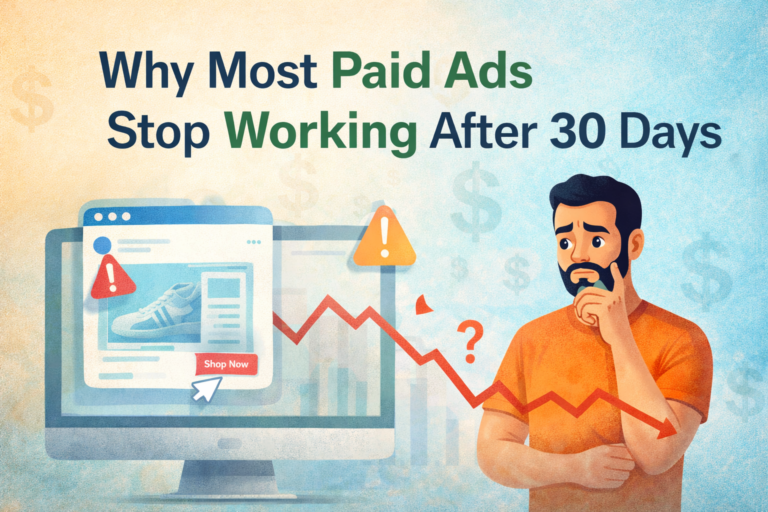
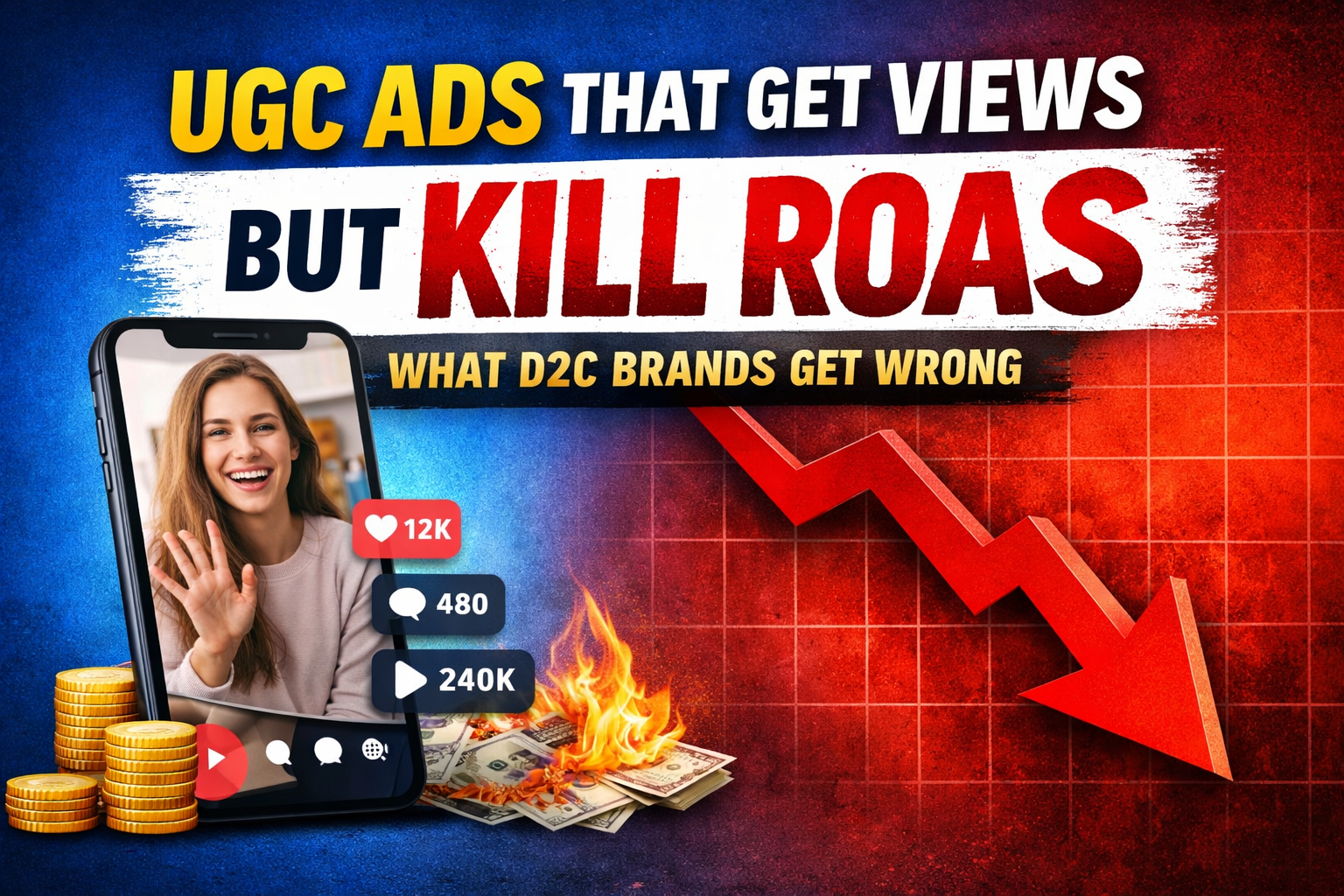
Your ads are getting views.
Engagement looks fine.
CTR doesn’t look terrible.
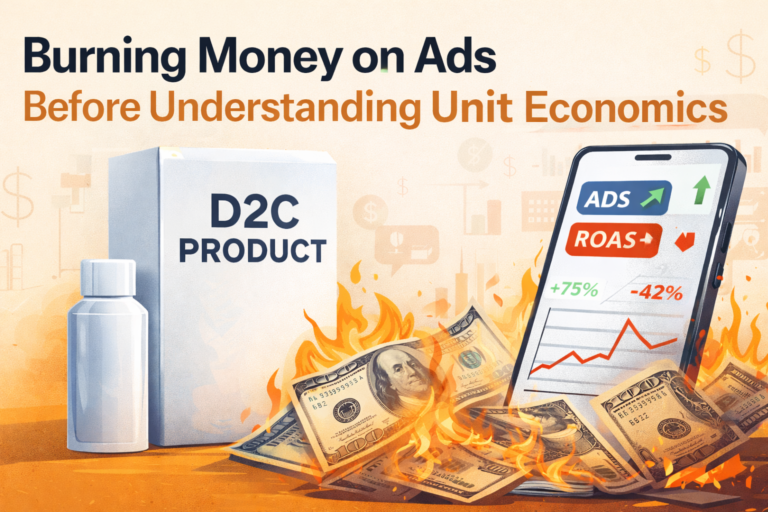
But ROAS keeps dropping.
So you do what most D2C brands do next
you buy more UGC.
New creators.
More faces.
More videos.
And yet, performance doesn’t improve.
This is where most brands assume:
“UGC doesn’t work for us.”
That assumption is wrong.
The Problem Is Not UGC. It’s How It’s Used.
UGC ads are not failing because creators aren’t good.
They fail because brands confuse attention with intent.
Getting views is easy.
Converting that attention into revenue is not.
Most brands treat UGC as content.
Ad platforms treat creatives as signals.
And when signals are unclear, platforms learn the wrong thing.
Why UGC Gets Views but Still Kills ROAS
Here’s what usually happens inside D2C ad accounts:
• A UGC video feels relatable
• People watch it
• Engagement looks decent
• Brand assumes it’s a “winner”
Then the brand scales it.
And suddenly:
• ROAS drops
• CAC increases
• Performance becomes unstable
Why?
Because the video never had a clear job.
The One Big Mistake: One Video, Too Many Goals
Most UGC ads today try to do everything at once.
They try to:
• Introduce the brand
• Explain the product
• Build trust
• Push a sale
all in 15–30 seconds.
That doesn’t work.
When everything is said together,
nothing is clearly understood.
The message becomes noisy.
The algorithm gets confused.
Scaling breaks.
Why Platforms Don’t Reward “Natural-Looking” UGC
A common myth is:
“UGC should feel organic, not structured.”
Reality is different.
Performance platforms don’t reward natural content.
They reward clear signals.
Signals like:
• Did people stop scrolling?
• Did they understand the message instantly?
• Did the creative match the funnel stage?
When your UGC sends mixed signals,
the algorithm cannot optimize properly.
And poor learning always leads to poor ROAS.
Views ≠ Intent (This Is Where Most Brands Lose Money)
Views only tell you one thing:
People watched.
They do NOT tell you:
• Why they watched
• What they understood
• Whether they were ready to buy
This is why viral UGC often underperforms in sales.
Attention without direction is expensive distraction.
Content vs Performance Assets (The Real Difference)
This is a critical distinction most brands miss.
UGC content is made to look relatable.
UGC performance assets are made to answer one clear question.
For example:
• Is this video only meant to stop the scroll?
• Is it meant to build belief?
• Or is it meant to drive action?
High-performing brands don’t test videos.
They test messages, hooks, and funnel stages.
UGC is just the delivery vehicle.
Why Random UGC Increases Spend but Reduces Learning
When brands keep launching random UGC:
• Every video says something different
• Messaging keeps changing
• Learnings never compound
This doesn’t just waste creative cost.
It wastes media spend and time.
And the biggest loss is invisible:
slow learning velocity.
What Efficient UGC Actually Looks Like
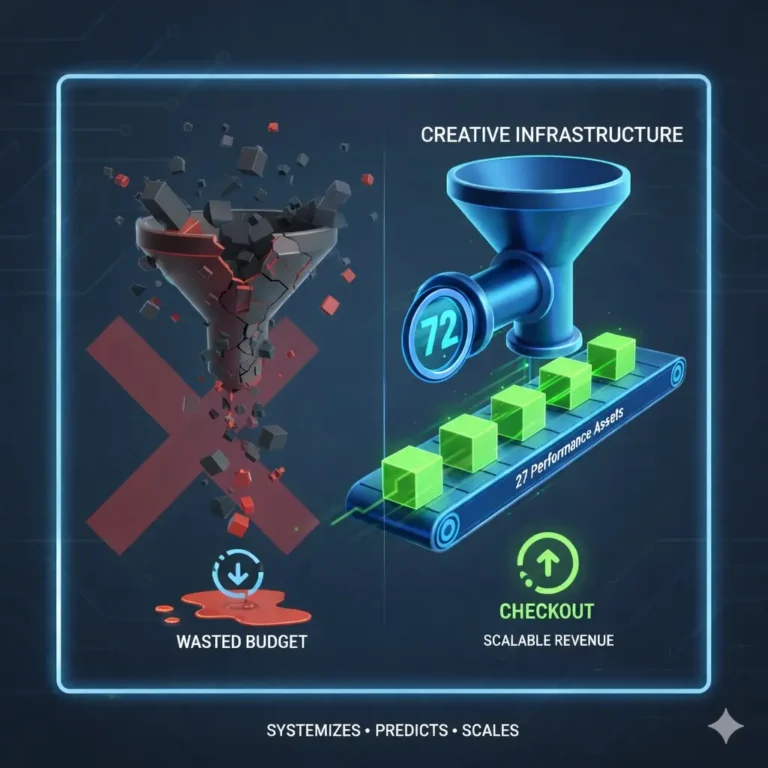
Efficient UGC systems are built around clarity.
They know:
• What message works at awareness
• What builds trust in consideration
• What converts at decision
Each UGC asset has:
• One role
• One objective
• One learning goal
This is how performance becomes predictable.
Where GetADict Fits In
Most brands don’t struggle because they lack UGC.
They struggle because they lack a creative system.
The gap is not production.
The gap is structure.
GetADict was built to turn UGC into clear, full-funnel, performance-led assets
so brands don’t just get views,
they get learning, confidence, and scalable ROAS.
Final Thought
UGC doesn’t fail because it’s informal.
It fails when it’s directionless.
In performance marketing,
clarity always beats volume.